Where Do I Start?
When? Now. Where? Here. Any time, any place, any moment, with a target as big as a mountain or as small as a key. The start is one fraction of a second in which you notice: I set out to do this, and I am here, conscious of it.
When do I start, and where? Honestly, there is no rule. Any time. Any place. Any moment. You can begin with something small, within arm’s reach, or with something as big as a mountain. Both are beginnings.
I will explain with a mountain, because that is where I first learned it.
The mountain from the terrace
I do not remember much of my childhood. A few things stay. One of them is the house we rented: tall, two floors, and above them the open terrace on the roof, where we played with our friends.
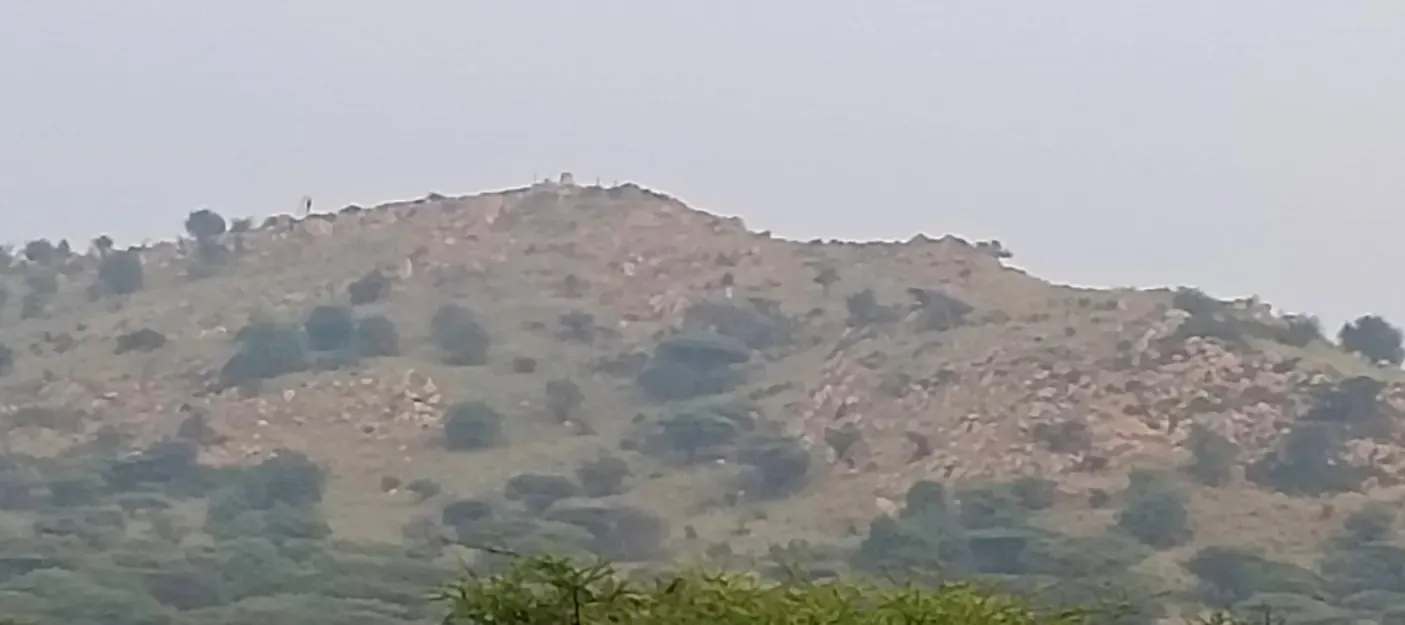
From up there my friend Senthil and I could see a small hill near Tirunelveli. We called it Kunnathoor Pothai; on the map it is Kunnathur Hill, or Kunathur Mount. And on top of it, something built. Well made, clearly, but too far to tell what it was. We had just watched The Mummy, so the answer was obvious to us. It was a gateway. A mystic entrance to somewhere.
Gopal’s tree
The next day we told our friend Gopal. Gopal was the naughty one. He listened to the whole story and went home. A day later he came back with a better one.
On the hill, he said, there is a yellow tree. A mystic tree. Very small — you cannot see it from your terrace; you have to look from his. The tree has a hundred branches, and on one of them sits a bird, and that bird holds the key to the gateway we had seen.
We believed him completely.
What was on top
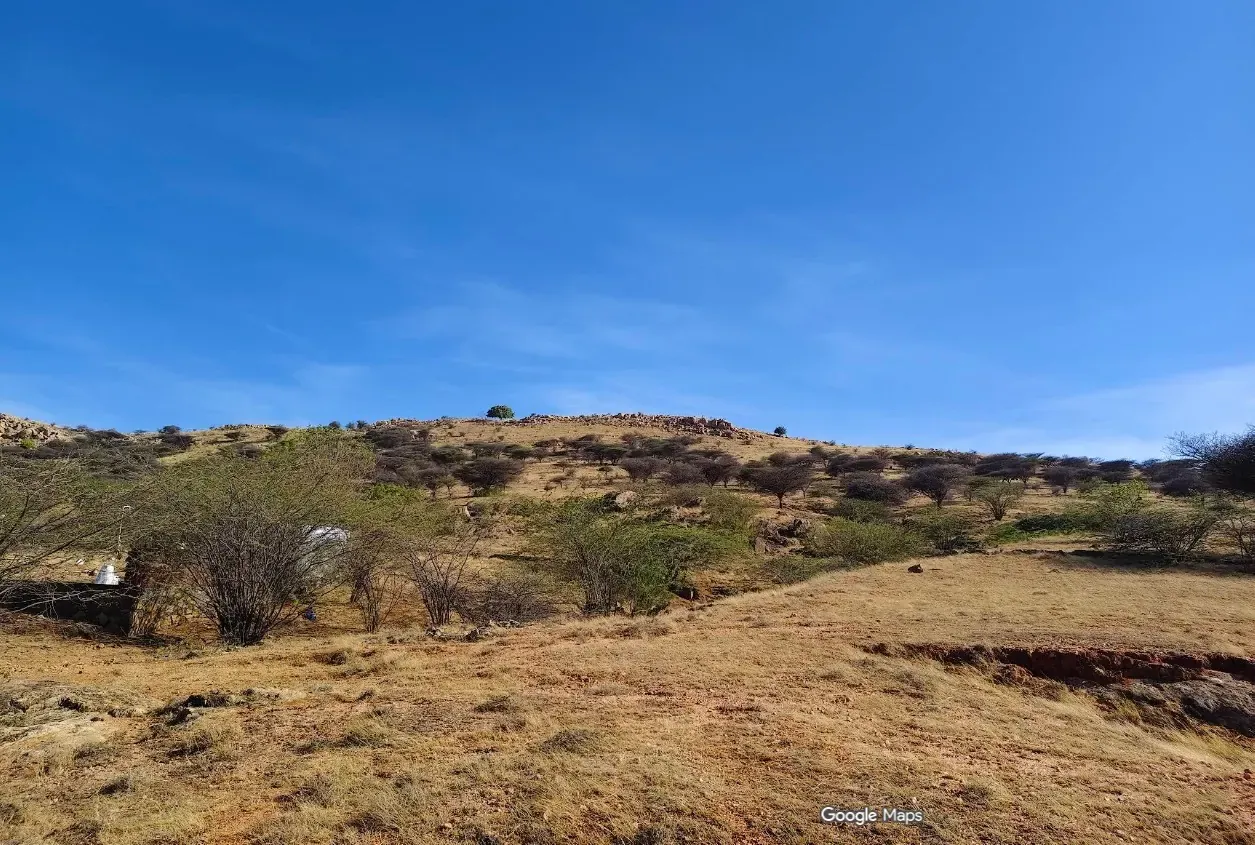
Years later, in college, I climbed that hill with some friends. Not a proper trek — our own risk, our own route, and the whole place alive with black scorpions.
There was no yellow tree and no bird. Gopal’s story was Gopal’s story. But the well-built thing was real: a well-like structure, standing there on the crest, exactly where we had seen it.
Two ways to aim
Now to the point. Imagine Senthil and I each had a gun that day, and we fired at the top of the hill. Simple: a big target, the whole mountain, and you cannot miss it.
Now look at where Gopal was pointing. Past the hill, into the trees, further than the eye goes, until he found one yellow tree. Into that tree, to one branch out of a hundred. On that branch, one bird. In that bird, one key.
Both of us were aiming at the same hill. The difference was depth.
That is the whole answer to “where do I start?” You can start with the easy, major target — the mountain. Or you can go far in, to the individual bits and pieces. Either is a start. Nobody needs the key on the first day.
The nanosecond
Here is what it looks like on an ordinary morning.
The first moment you wake, you open your eyes. Set one thing for the day. One. “I am going to the office.” “I am going to college.” “I am going to that place.” That is enough — no list, no bit by bit. That is your mountain.
Then, at any point — as you leave, on the way, or when you arrive — something may happen. You notice: I set this in the morning. Now I am here. And I am conscious of it.
That noticing takes a fraction of a second. A nanosecond. It is the moment you witness yourself being present, and it is the most important part. You cannot hold it — by the time you notice it, it has already passed. But you can make sure it happens.
That nanosecond is the start. You have begun.
Going deeper
If you want to go further, the commute is a good place to practise.
As you set out, on the way, at anything you see on the road — a shop, a tree, a face — you can feel that same small moment again: the aim was to get there, and I am going, and I am aware of it. Once, or many times. It does not matter how many. A single time is enough to begin.
With time, the depth grows on its own. You go from aiming at the mountain to aiming the way Gopal did: past it, into it, to the one branch. Many small moments, one inside another.
So — when? Now. Where? Here. The thing on the hill was real all along; you only have to climb.